
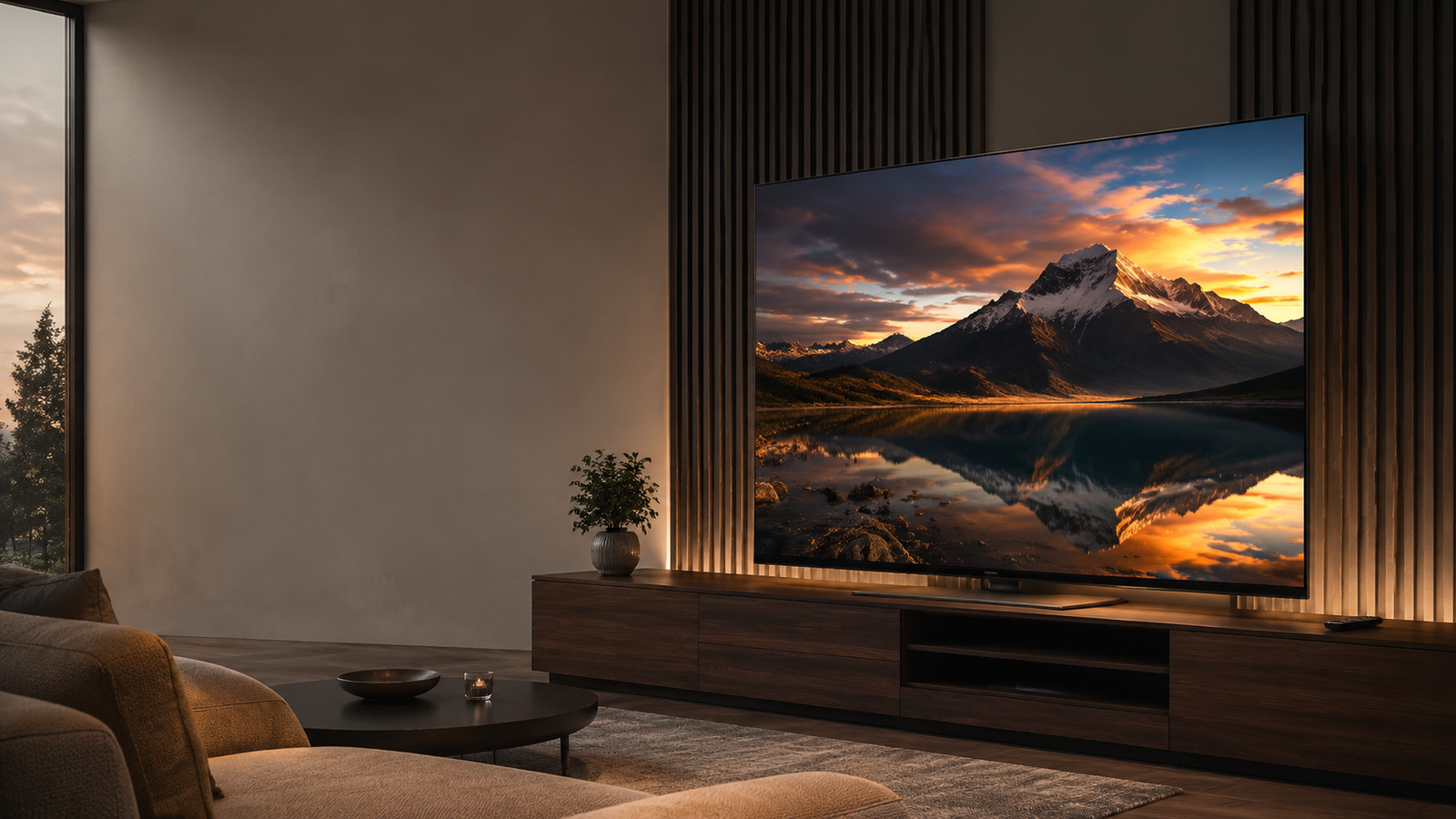
Understanding Smart TV Features
When embarking on your smart TV buying guide, understanding the essential features of smart TVs is crucial. One of the foremost aspects to evaluate is streaming services compatibility. Various smart TVs support different streaming platforms; hence, ensuring that your preferred services like Netflix, Hulu, or Amazon Prime Video are accessible is a must for a seamless viewing experience.
- Understanding Smart TV Features
- Roku 40-Inch Select Series Smart TV 2026-1080p Full HD TV – RokuT…
- Roku 43-Inch Select Series Smart TV 2026-4K (2160p) HDR TV – Roku…
- Roku 55-Inch Select Series Smart TV 2026-4K (2160p) QLED TV TV
- Screen Size and Viewing Distance Guidelines
- Connectivity Options and Compatibility
- Budgeting and Brands to Consider
The resolution is another key consideration in how to choose a smart TV. Current models typically offer Full HD (1080p), 4K Ultra HD, and even 8K resolution. While 4K TVs provide clarity and detail suitable for most viewers, 8K is geared towards those seeking the finest picture quality available. Considering your viewing habits can help determine if you need the higher resolution.
Another vital feature to consider is HDR (High Dynamic Range) capability. HDR enhances the contrast and color range, producing a more vibrant image. If vivid picture quality is important to you, look for a smart TV that supports multiple HDR formats like HDR10 and Dolby Vision, which can elevate your viewing experience.

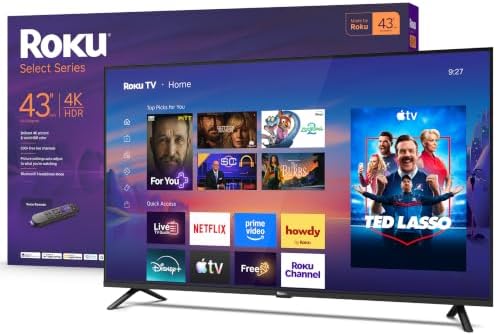

The operating system of a smart TV plays a significant role in its usability. Popular platforms like Roku TV, Google TV, and Tizen each offer distinct features and user experiences. It’s beneficial to explore the UI and functionalities when selecting a model that best fits your needs. A user-friendly interface can significantly impact your enjoyment of the device.
Lastly, app availability is a crucial factor in your smart TV selection. The best TV for your home should support a wide range of applications for various purposes, including streaming, gaming, and productivity. Check to ensure that your favorite apps are available and easy to install on the model you are considering.
Screen Size and Viewing Distance Guidelines
Choosing the right screen size is a fundamental aspect of any smart TV buying guide. The size of the television should be proportional to the room dimensions and the distance from which viewers will watch the screen. A well-calibrated size can enhance the viewing experience while ensuring that image quality remains optimal.
A common formula used to determine the best TV size based on viewing distance involves multiplying the distance (in inches) from the screen by a factor that varies based on the resolution of the TV. For instance, for HD televisions, a general guideline suggests that the optimal screen size should be roughly one-third of the viewing distance. For example, if the distance is 9 feet (or 108 inches), then a screen size of about 36 inches would be appropriate.
For 4K Ultra HD TVs, you can sit closer without losing picture quality. In this case, the recommended guideline is to sit at a distance 1.5 times the screen size. Therefore, if you were to opt for a 55-inch smart TV, the viewing distance should be around 6.9 feet. This closer proximity allows viewers to appreciate the higher pixel density provided by the technology.
Additionally, while determining the screen size, it is also essential to consider the layout of the room and the potential obstructions that may affect viewing angles. Ideally, the seating arrangement should facilitate a clear line of sight to the TV. Remember, too large a screen in a compact space can overwhelm the viewer, while a small screen in a larger room could lead to a diminished viewing experience.
Balancing size with picture quality is crucial as well. Even the best TV for your home can underperform if not matched with appropriate dimensions. Ensuring that your television fits well within the given space without compromising the quality of the displayed image is key to an enjoyable viewing experience.
Connectivity Options and Compatibility
When selecting a smart TV, understanding the connectivity options is crucial to ensure compatibility with your existing devices and enhancing your overall viewing experience. A comprehensive smart TV buying guide should start with an examination of the various ports and wireless capabilities available on modern televisions.
One of the primary connectivity options to consider is the HDMI port. Most smart TVs come equipped with multiple HDMI ports, which allow you to connect external devices such as gaming consoles, Blu-ray players, and streaming devices. It is important to look for models that offer HDMI 2.1 support, as this standard enhances video and audio quality, particularly with 4K and 8K content. Additionally, some models provide eARC (Enhanced Audio Return Channel) which improves sound quality when using external sound systems.
USB ports are another valuable feature, enabling users to connect flash drives or external hard drives to stream media directly on the TV. Often, these USB connections are also used for firmware updates, so having more than one port can be beneficial. Furthermore, some smart TVs may offer USB-C ports, which can facilitate connections to compatible devices.
Wireless connectivity is essential in today’s smart TVs. Wi-Fi connectivity allows for seamless streaming of content from various online platforms, ensuring that you can access your favorite shows and movies without hassle. Consider models that support the latest Wi-Fi 6 technology for improved performance. Moreover, Bluetooth capabilities are also advantageous, providing easy pairing with headphones, sound bars, or other Bluetooth-enabled devices, which enhances the overall audio-visual experience.
Finally, when contemplating how to choose a smart TV, ensure it is compatible with your current ecosystem, including any gaming consoles or home automation systems you may own. Checking for proprietary software or user interfaces that smoothly integrate with your devices will contribute significantly to the functionality of your setup.
Budgeting and Brands to Consider
When embarking on the journey to purchase a new television, adhering to a budget is paramount. Establishing a financial plan not only aids in narrowing down the options but also ensures that you make a sound investment without overspending. The smart TV market offers a plethora of choices, ranging from budget-friendly models to premium devices laden with advanced features. By defining your price limits, you place yourself in a better position to analyze the features suitable for your viewing needs.
The price of smart TVs can vary significantly based on several factors, including screen size, resolution, display technology, and brand reputation. For instance, entry-level models start at around $200 and typically offer basic 1080p resolution and limited smart functionalities. Mid-range TVs, which may cost between $400 and $800, often provide enhanced capabilities such as 4K resolution, larger screen sizes, and smarter features like voice control and streaming app access.
For those seeking the best TV for your home, investing in high-end models priced above $800 could be worthwhile. These TVs typically include premium OLED or QLED screens, superior sound systems, and cutting-edge smart technology. Furthermore, brands like Samsung, LG, Sony, and TCL dominate the market and are known for their reliability and quality. Each brand offers a range of models catering to diverse budgets and preferences. It is advisable to conduct thorough research on these brands to determine which meets your performance expectations.
In addition to setting a budget and selecting your preferred brands, it is essential to scout for deals, especially during major sales events. Many retailers offer significant discounts, particularly during holiday sales or seasonal promotions, making it an ideal time to find a smart TV on your wishlist at a reasonable price. Comparing prices across platforms—both online and in-store—can further enhance your buying experience, allowing you to score the best deal available.